

สารดูดซับออกซิเจนที่ไม่สามารถรับประทานได้คืออะไร และทำงานอย่างไร?
Release time: 2026-01-30
In food packaging, oxygen is one of the main causes of spoilage, mold growth, rancidity, and color changes. To extend shelf life and maintain product quality without using chemical preservatives, more food manufacturers are turning to non-edible oxygen absorbers as a safe and effective packaging solution.
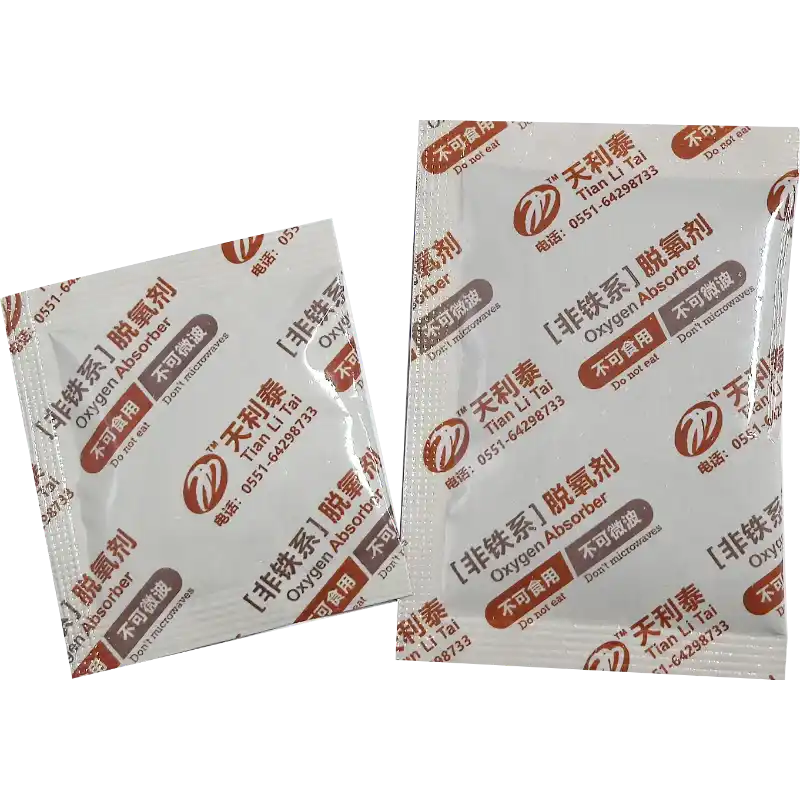
In this article, we explain what a non-edible oxygen absorber is, how it works, and why it is widely used in modern food packaging.
สารบัญ
What Is a Non-edible Oxygen Absorber?
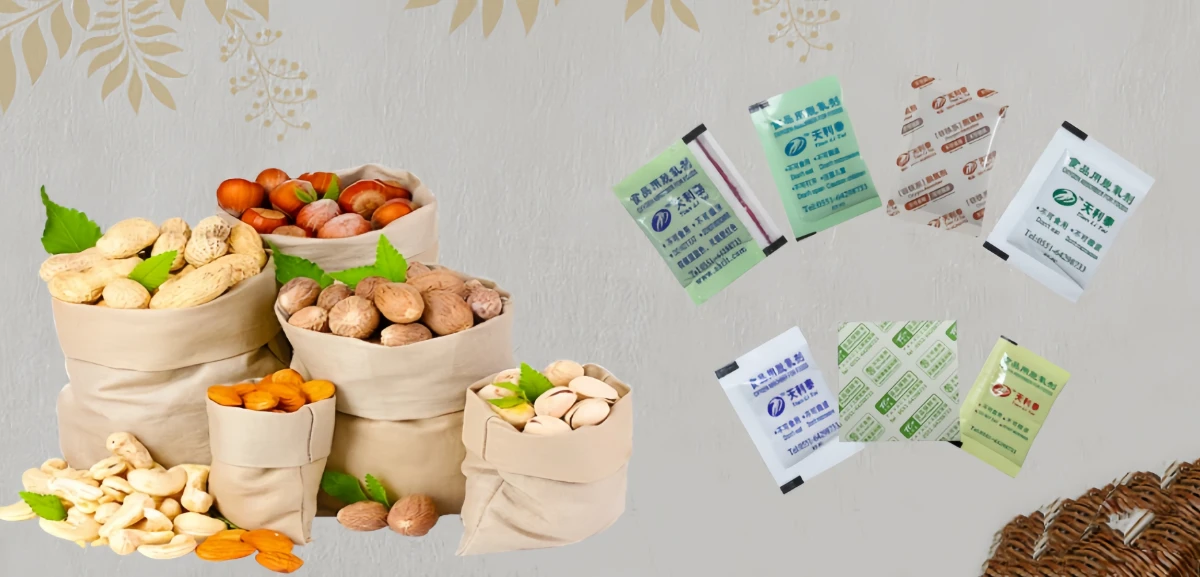
A non-edible oxygen absorber is a small sachet placed inside food packaging to remove residual oxygen after sealing. Unlike edible oxygen scavengers used in pharmaceuticals or supplements, non-edible oxygen absorbers are designed strictly for packaging environments and must never be consumed.
These absorbers typically contain reactive materials that chemically bind with oxygen, reducing oxygen concentration inside the package to below 0.1%. This low-oxygen environment helps prevent:
- Oxidation of fats and oils
- Mold and microbial growth
- Discoloration and texture degradation
- Loss of flavor and aroma
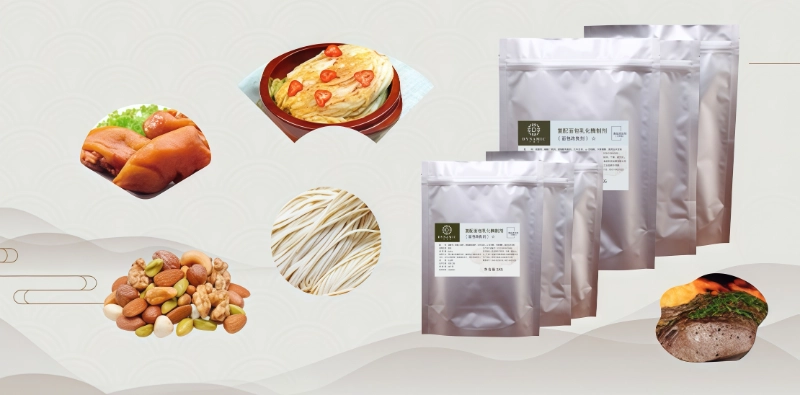
They are widely used in packaging for baked goods, nuts, dried foods, seafood products, pet food, and export-ready food products.
How Does a Non-edible Oxygen Absorber Work?
The working principle of a non-edible oxygen absorber is based on controlled oxidation reactions inside the sachet.
Step 1: Activation After Sealing
Once the food package is sealed, moisture and oxygen inside the package activate the absorber material.
Step 2: Oxygen Binding Reaction
The active ingredients react with free oxygen molecules and convert them into stable compounds, effectively removing oxygen from the internal environment.
Step 3: Long-Term Protection
As long as oxygen remains in the package, the absorber continues working, maintaining a low-oxygen environment that protects food quality throughout storage and transportation.
Some advanced non-ferrous metal oxygen absorbers also release a small amount of CO₂ while absorbing oxygen, helping to prevent package collapse and maintain attractive package appearance.
Key Benefits of Non-edible Oxygen Absorbers in Food Packaging
Using non-edible oxygen absorbers provides several advantages for food manufacturers and exporters:
1. Extended Shelf Life
Oxygen removal significantly slows oxidation and microbial growth, extending shelf life by 2–5 times depending on the food type.
2. Preservative-Free Protection
They provide a clean-label alternative to chemical preservatives while maintaining food freshness.
3. Improved Product Appearance
By preventing discoloration and moisture reactions, products remain visually appealing throughout distribution.
4. Enhanced Export Stability
Low-oxygen packaging improves food stability during long-distance shipping and variable climate conditions.
5. Compatibility with Metal Detection
Non-ferrous metal oxygen absorbers can pass metal detection systems, making them suitable for high-standard food production lines.
Non-edible vs Edible Oxygen Absorbers: What’s the Difference?
| Feature | Non-edible Oxygen Absorbers | Edible Oxygen Absorbers |
|---|---|---|
| Intended use | Food packaging only | Pharmaceutical or supplement ingestion |
| Safety classification | Not consumable | Consumable |
| Packaging placement | Inside sealed food packs | Inside capsules or tablets |
| Regulatory handling | Food contact packaging standards | Oral safety standards |
For food manufacturers, non-edible oxygen absorbers are the correct and industry-approved choice for shelf life extension.
Common Applications of Non-edible Oxygen Absorbers
Non-edible oxygen absorbers are widely used in:
- Bakery products (bread, cakes, tortillas)
- Nuts, seeds, and roasted snacks
- Dried fruits and vegetables
- Jerky and meat snacks
- Seafood and dried fish products
- Coffee and tea packaging
- Export food packaging solutions
They are especially valuable for foods sensitive to oxidation or mold growth during storage and transport.
How to Choose the Right Non-edible Oxygen Absorber
When selecting an oxygen absorber for food packaging, consider:
- Package volume and headspace
- Food moisture content
- Shelf life targets
- Packaging material barrier properties
- Metal detection compatibility requirements
Professional suppliers offer multiple absorption capacities (e.g., 30cc–300cc) and customized solutions to match different packaging needs.
Are Non-edible Oxygen Absorbers Safe?
Yes — when used correctly, non-edible oxygen absorbers are safe and compliant with food packaging regulations. They are sealed in food-grade sachets, do not release harmful substances, and do not come into direct contact with food when used properly.
However, they should always be clearly labeled “Do Not Eat” and kept out of reach of children.
Final Thoughts
A non-edible oxygen absorber is a simple yet powerful packaging solution that removes oxygen from sealed food packages, extending shelf life, improving product quality, and reducing reliance on chemical preservatives.
For food manufacturers and exporters seeking safer, cleaner, and more reliable packaging solutions, non-edible oxygen absorbers have become an essential tool in modern food preservation.
-scaled.jpg)