

Cara Memilih Penyerap Oksigen yang Tepat untuk Pembungkusan Makanan
Release time: 2026-02-04
Choosing the right oxygen absorber is critical for maintaining food freshness, extending shelf life, and preventing spoilage during storage and transportation. With many sizes, materials, and performance levels available on the market, selecting the most suitable oxygen absorber for your packaging application can feel overwhelming.
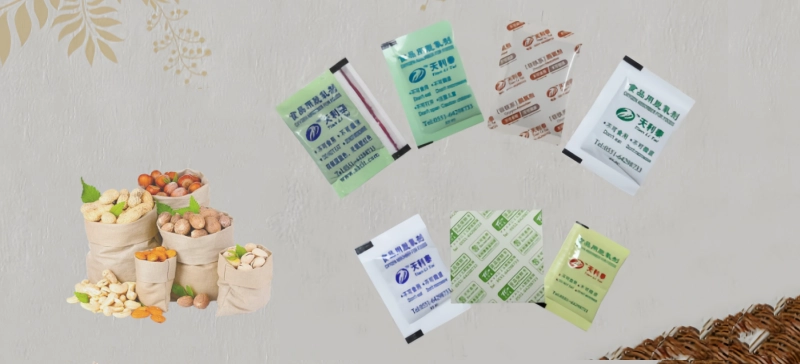
This guide explains how oxygen absorbers work, what factors to consider, and how to choose the right solution for your food products.
Jadual Kandungan
Why Oxygen Control Matters in Food Packaging
Oxygen is one of the main causes of food deterioration. It leads to:
- Oxidation of fats and oils
- Mold and microbial growth
- Loss of flavor, aroma, and color
- Reduced shelf life
Oxygen absorbers remove residual oxygen inside sealed packages, creating a low-oxygen environment that protects food quality without chemical preservatives.
Step 1: Understand Your Food Product
Different foods react differently to oxygen. Before selecting an oxygen absorber, evaluate:
- Moisture content – High-moisture foods need higher oxygen absorption capacity.
- Fat content – Oily foods oxidize faster and require stronger oxygen control.
- Sensitivity to mold – Bakery and dried foods benefit significantly from oxygen absorbers.
- Shelf life goals – Longer shelf life targets require higher absorption performance.
Step 2: Calculate the Required Oxygen Absorption Capacity (CC)
Oxygen absorbers are rated by their oxygen absorption capacity, usually measured in cubic centimeters (cc).
Key factors that influence CC selection:
- Package volume and headspace
- Oxygen permeability of packaging materials
- Residual oxygen after vacuum sealing or nitrogen flushing
- Desired shelf life
For example:
- Small snack packages may require 30–50cc
- Bakery and dried foods often use 50–100cc
- Larger export packs may need 100–300cc or more
Working with a supplier to calculate the exact CC requirement ensures consistent performance and cost efficiency.
Step 3: Choose the Right Type of Oxygen Absorber
Iron-Based Oxygen Absorbers
- Most commonly used
- Cost-effective
- May trigger metal detection systems
Non-ferrous Metal Oxygen Absorbers
- Suitable for metal-detection environments
- High safety performance
- Often release CO₂ to maintain package shape
- Ideal for export food and premium packaging
For manufacturers using metal detectors or exporting to high-standard markets, non-ferrous metal oxygen absorbers are usually the preferred choice.
Step 4: Match the Absorber to Your Packaging Material
Packaging materials affect oxygen permeability and absorber performance:
| Packaging Type | Oxygen Absorber Suitability |
|---|---|
| Aluminum foil laminated bags | Excellent barrier, lower CC needed |
| Nylon/PE multilayer films | Moderate barrier, medium CC needed |
| Paper-plastic composite bags | Higher permeability, higher CC needed |
| Vacuum packaging | Lower oxygen load, smaller CC absorber |
| Modified atmosphere packaging (MAP) | Requires fine-tuned absorber capacity |
Always ensure your packaging material and absorber work together to achieve the desired shelf life.
Step 5: Consider Regulatory Compliance and Food Safety
Choose oxygen absorbers that:
- Use food-grade outer packaging
- Comply with relevant food contact material regulations
- Are clearly labeled “Do Not Eat”
- Provide traceability, COA, and quality documentation
For export food packaging, compliance with FDA, EU, and other regional standards is especially important.
Step 6: Evaluate Packaging Line Compatibility
Operational compatibility is often overlooked but critical:
- Can the absorber pass metal detection systems?
- Is it compatible with automatic insertion equipment?
- Does it affect packaging speed or sealing integrity?
Non-ferrous oxygen absorbers are especially beneficial for high-speed automated lines and strict food safety environments.
Step 7: Work with a Reliable Oxygen Absorber Supplier
A professional supplier should offer:
- Multiple CC sizes and packaging formats
- Custom solutions based on your product and packaging
- Performance testing support
- Stable production capacity and fast delivery
- Technical consultation for dosage and application
Reliable supplier support helps avoid packaging failures, shelf life inconsistency, and unnecessary costs.
Common Mistakes When Choosing Oxygen Absorbers
- Using too small a CC capacity, leading to early spoilage
- Ignoring packaging material permeability
- Selecting absorbers incompatible with metal detectors
- Failing to test under real storage conditions
- Choosing based only on price instead of performance
Avoiding these mistakes ensures stable packaging quality and long-term cost savings.
Final Thoughts
Choosing the right oxygen absorber for food packaging requires understanding your product characteristics, packaging materials, shelf life goals, and operational environment. By selecting the correct absorber type and capacity, food manufacturers can significantly improve product freshness, reduce spoilage, and enhance brand reputation.
For customized oxygen absorber solutions, professional technical support, and bulk supply options, working with an experienced supplier is the best way to achieve consistent and reliable packaging performance.